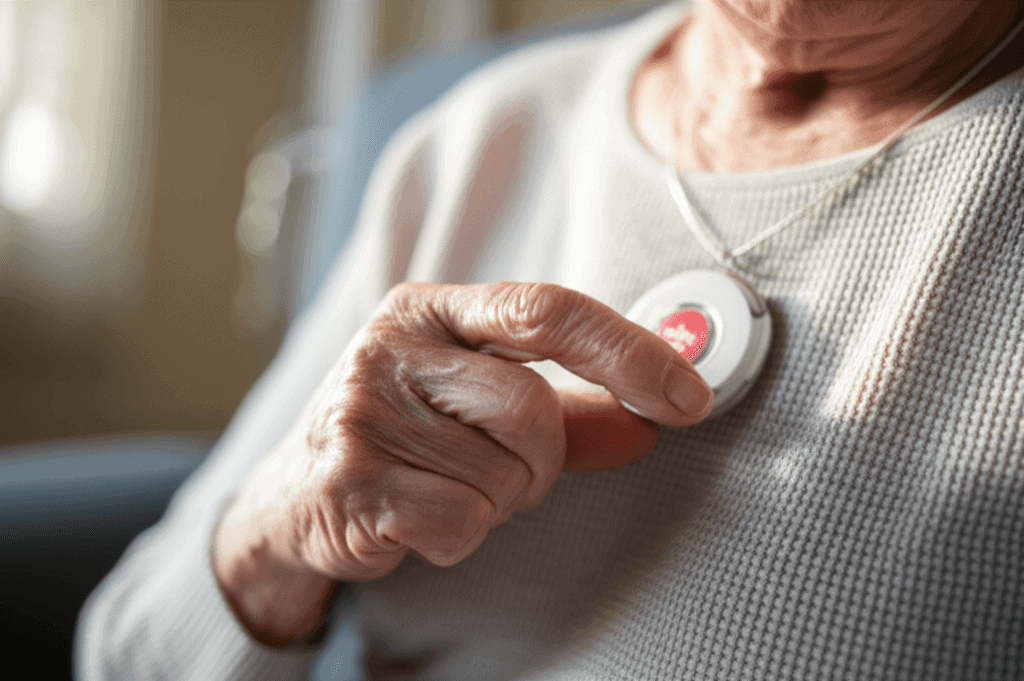
A neighbor in Sturgeon Bay fell last winter, and help arrived quickly. The small device she wore around her neck sent a signal that called for assistance in just minutes. More stories like this keep coming up, showing that local seniors are choosing emergency call buttons more often. These devices are changing the game for how older adults protect themselves at home and stay linked with caregivers and emergency teams. If staying safe at home means a lot, this is definitely something to check out. Keep reading to find out why these gadgets are becoming lifesavers for many.
This article looks at the reasons behind the rise in use in Sturgeon Bay. We will cover how the devices work, the range of options available, costs and payment choices, features that matter for an older user, and tips for families who want a smarter safety plan. When practical examples meet simple technology the result is greater independence and faster responses when minutes matter.
Why more seniors in Sturgeon Bay are choosing emergency call buttons now
Seniors in Sturgeon Bay are evaluating risk differently than a decade ago. Many are aging in place and want to stay in familiar surroundings. At the same time the local emergency services and community groups have made it easier to pair devices with local response teams. That combination is shifting decision patterns toward personal alert systems.
Three local drivers stand out
- Availability of user friendly devices with wearable options that remain comfortable all day
- Affordable plans that provide monitored service without long term contracts
- Community education and word of mouth examples that reduce hesitation about technology
How emergency call buttons work and common features
Emergency call buttons are straightforward. A wearable pendant or a wall mounted button sends a signal when pressed. That signal travels through a base unit that connects to a monitoring center through a landline or cellular link. The monitoring center talks to the user and will call a family contact or 911 depending on the situation.
Popular device types
- Wearable pendants that can be worn as necklaces or wristbands
- Wall mounted push buttons that are placed in common areas
- Fall detection models that send automatic alerts when a fall is sensed
- Mobile units with GPS for use away from home
Key features families should look for
- Battery life and low battery alerts to avoid service interruptions
- Water resistance for bathroom safety
- Two way voice so the user can speak with the monitor from any room
- Reliable connection options that do not rely on a single technology
Real examples from Sturgeon Bay residents
A retired teacher shared that her pendant was used twice in six months. The first time a neighbor helped until responders arrived. The second time she had minor injuries but the monitoring team kept her calm and confirmed that help was en route. Another example comes from a man who prefers a mobile unit with GPS. He walks along the waterfront and wants coverage outside the home. When he forgot his phone the GPS unit still allowed his daughter to locate him and confirm his safety.
These stories matter because they show both medical and non medical benefits. The devices provide quick access to help and reduce the stress of leaving the home for short trips while older adults are more independent.
Costs and payment options that work for older adults
Many seniors worry about monthly fees. Pricing varies by company and plan. Basic monitored plans are often priced per month and can be less expensive when paid annually. Some companies offer a one time equipment purchase and a lower monthly monitoring fee. Local community programs and veteran benefits may cover part of the cost for eligible individuals.
- Typical ranges for monitored plans
- Equipment only purchase options and what they include
- Discounts through local organizations and veteran services
Always ask about trial periods and cancellation policies. A short trial lets the user test comfort and functionality before committing to a long term payment. Also confirm if mobile units include unlimited range or if there are limits outside local cellular coverage.
How local emergency services respond and why that matters
Response times matter more than ever. Many monitoring companies will call 911 directly or call a set of approved contacts first. In Sturgeon Bay local dispatchers and first responders have familiar routes which can reduce arrival time. When families share detailed health and access information with the monitoring service that helps personnel respond with the right resources.
Tip for families: Create an emergency contact list and update it yearly. Share key medical information with the monitoring company so responders know allergies, mobility limitations, and preferred medical facilities.
Choosing the right system for your lifestyle
Choice comes down to lifestyle and living arrangements. If someone rarely leaves home a base unit with a wearable pendant and fall detection may be ideal. For those who travel or walk the neighborhood a mobile GPS enabled device is better. For couples living together a single system with multiple devices connected to one account can be a cost effective approach.
- Single unit in-home systems for users who stay at home most of the time
- Mobile systems for active seniors who leave the house regularly
- Hybrid plans that combine in-home base units and cellular mobile backup
Installation and maintenance tips that keep the device reliable
Installation is usually simple. Most systems come with clear instructions and can be set up in under 30 minutes. For those who prefer help local vendors or community volunteers can do the setup. Here are practical tips to keep the system working.
- Test the system monthly and replace batteries as recommended
- Keep the base unit plugged into power and positioned where it receives a good signal
- Clean wearable devices regularly to avoid skin irritation
- Teach a short list of people how to respond when an alert is triggered
What to check at purchase time
- Confirm that the service has local response options and will contact 911 when needed
- Ask about fall detection accuracy and false alarm rates
- Verify battery replacement procedures and costs
How to talk with a parent about getting an emergency call button
Starting the conversation can be delicate. Frame the device as a tool for independence rather than a sign of decline. Use examples and keep the focus on positive outcomes including staying at home longer and moving about with more confidence. Offer to try a short term rental or share stories from neighbors who use devices successfully.
- Listen to concerns and address them in plain language
- Demonstrate how simple the device is by showing the button and testing the call feature
- Propose a trial period with the option to cancel if it is not a good fit
Families often find that when their loved one participates in the decision the acceptance rate rises. Practical demonstrations backed by local examples can move the conversation from hypothetical worry to positive action.
Where to learn more in Sturgeon Bay
Local nonprofits and health providers host events and demonstrations to show local residents how different systems operate. Community centers sometimes hold safety workshops that let people try devices and speak with vendors. The city also posts resources and links to local programs on community pages that highlight local success stories and available discounts. One useful resource with local coverage and safety tips is Hellodoorcounty com which lists options, sample costs, and contact points for Sturgeon Bay residents.
Visiting a demonstration event or scheduling an in home trial helps answer practical questions. Ask the vendor if they offer a no obligation trial and whether there is local support for setup and troubleshooting.
Common myths and how to separate fact from fiction
Several myths keep seniors from trying these devices. Myth one is that devices are hard to use. Many models are one button and built for quick action. Myth two is that devices are expensive. Entry level plans and local assistance programs can make them affordable. Myth three is that false alarms will lead to fines. In most communities responders are trained to treat alerts as real emergencies and they focus on care rather than penalty.
Check vendor reviews for false alarm policies and ask local dispatch about how they handle alerts. A short test run will reveal how the system behaves in practice.
Conclusion
Emergency call buttons are becoming an important part of daily life for many seniors in Sturgeon Bay. They offer faster access to help, support independence, and give both users and family members a clearer plan for emergencies. Choosing the right device means matching the technology to daily habits and local living conditions. Consider whether a wearable pendant, a wall button, or a mobile GPS unit fits best and verify monitoring options and trial periods before buying.
If you are weighing the decision for a parent or a loved one start by attending a local demonstration or requesting a short trial. Test battery life, water resistance, and two way voice to confirm the unit meets real needs. Keep an updated list of emergency contacts and share medical information with the monitoring service to support fast and accurate responses. Small steps now can prevent larger problems later and let seniors remain living at home with greater confidence.
Take action today by reaching out to local vendors, asking neighbors about their experiences, and scheduling a hands on test. A brief trial and a clear plan make the transition simple and practical. When minutes matter having the right device in place can change the outcome of an emergency. Make the call to explore options and protect the ones you care about.